

What Is a Wallpaper Sample Panel? A 2026 Guide
A wallpaper sample panel is a physical piece of actual wallpaper used to preview color, texture, material, and pattern in a real space before purchasing a full roll. Unlike a digital image on a screen, a physical panel lets you test how a design looks on your specific wall, under your lighting, and next to your furniture. The industry term for this tool is a “wallpaper sample” or “wallcovering sample,” and the larger format versions are commonly called sample panels or swatch panels. Getting this step right prevents costly mistakes and saves time on every project.
What is a wallpaper sample panel and how is it defined?
A wallpaper sample panel is a cut piece of actual wallpaper used to preview color, texture, material, and pattern in a specific environment before committing to a full purchase. The key word is “actual.” You are not looking at a photo or a printed card. You are holding the real material that will go on your wall.
This distinction matters because digital representations cannot show how light interacts with a textured surface. A matte grasscloth looks completely different at noon versus 7:00 PM under warm lamp light. A sample panel reveals that shift before you spend money on full rolls.
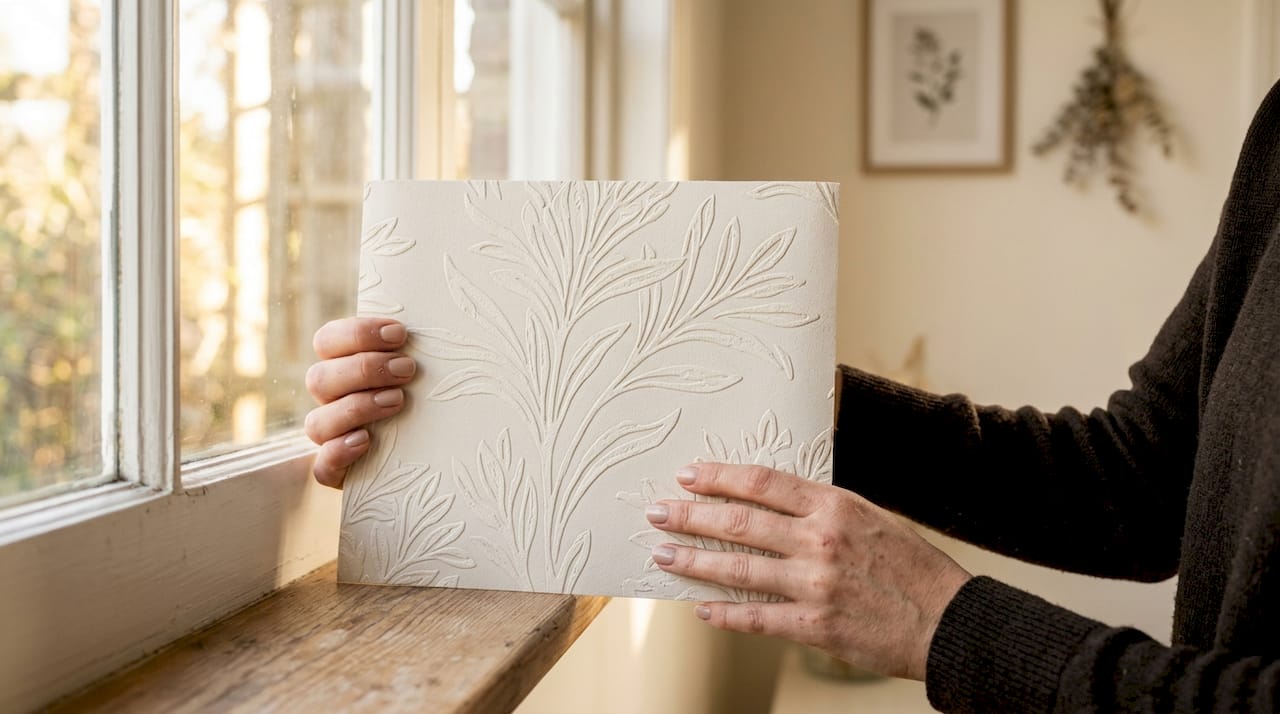
The term “swatch panel” is sometimes used interchangeably, but there is a practical difference. A swatch is typically a smaller clipping, often just enough to see the color and basic texture. A sample panel is larger, usually showing at least one full pattern repeat. Interior designers and decorators consistently prefer sample panels over swatches for this reason.
Wallsneedlove, which produces custom-printed wallpaper and wall murals certified to Greenguard Gold standards, treats the sample step as a core part of the ordering process. Testing before committing is built into the workflow, not treated as optional.
What are typical wallpaper sample sizes?
Sample sizes range from 8x10 inches up to XXL formats such as 76 cm x 51 cm, depending on the manufacturer and the complexity of the pattern. That range exists for a reason. Small geometric prints read clearly on an 8x10 inch sample. A large-scale scenic mural or a bold botanical repeat needs a much bigger panel to evaluate properly.
The table below shows common sample sizes and their best use cases.
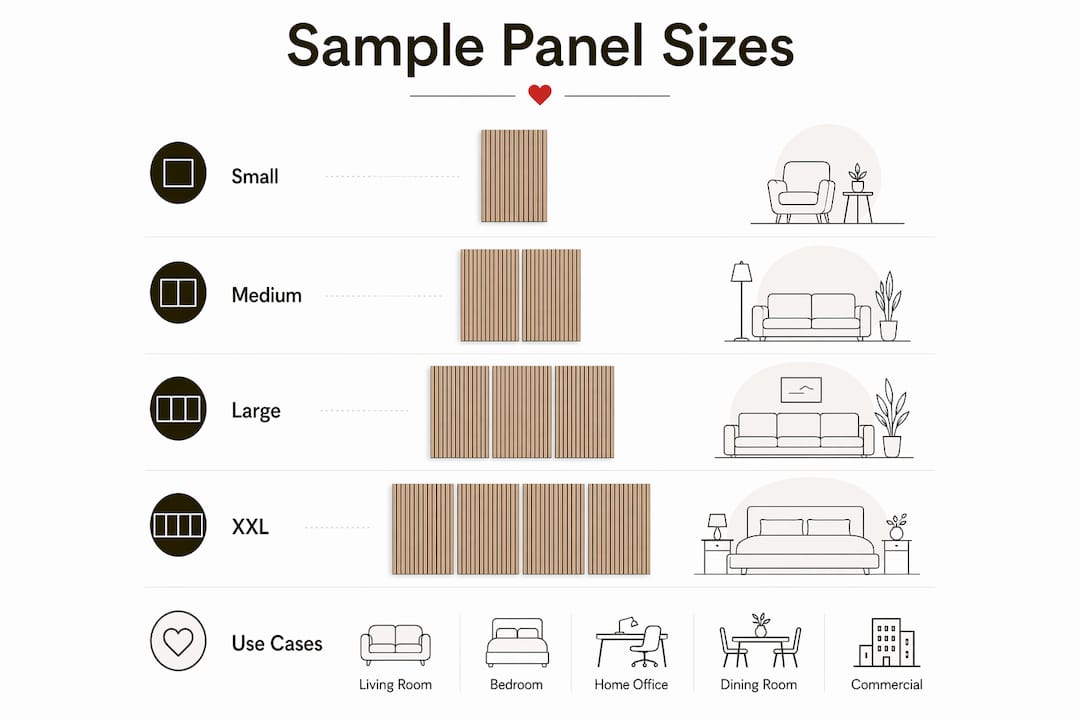
| Sample size | Best use case |
|---|---|
| 8x10 inches | Solid colors, small repeating patterns, texture checks |
| 12x24 inches | Medium patterns, standard residential wallpaper |
| 76 cm x 51 cm (XXL) | Large-scale murals, oversized botanical or scenic prints |
| Custom dimensions | Commercial projects, full-wall murals, pattern-matching verification |
Manufacturers vary their standard offerings. Some provide only one size. Others offer two or three tiers. For pattern scale assessment in residential spaces, a 12x24 inch panel is the most practical starting point for most homeowners.
Key factors that determine which size you need:
- Pattern repeat size. A 24-inch repeat needs at least a 24-inch panel to show the full design.
- Texture complexity. Faux brick, grasscloth, and linen textures need enough surface area to read as they would on a full wall.
- Room scale. A small powder room can be assessed with a medium panel. A great room or commercial lobby needs an XXL or custom sample.
What are the benefits of using wallpaper sample panels?
Wallpaper samples reveal how color and texture appear in various lighting conditions and alongside existing furniture and décor. That tactile experience is something no online image or printed catalog can replicate. This is the core benefit, and everything else flows from it.
The practical advantages include:
- Color accuracy. Paint colors and wallpaper colors shift under different light sources. A sample shows the true color in your room, not in a studio photograph.
- Texture confirmation. Embossed, woven, and printed textures feel and look different in person. A sample lets you confirm the material quality before committing.
- Adhesion testing. Some wall surfaces, including textured plaster, brick, or previously painted drywall, affect how well wallpaper sticks. Testing on a small area first prevents a failed full installation.
- Décor coordination. Holding a sample next to your sofa fabric, flooring, or trim color gives an accurate read on whether the design works in context. This is especially useful when evaluating statement wall art combinations.
- Waste reduction. Ordering the wrong wallpaper and returning or discarding full rolls wastes both money and material. A sample costing a few dollars prevents that outcome.
Pro Tip: Order three to five samples at once in different colorways or pattern scales. Placing them side by side on the wall gives a direct comparison that is far more useful than evaluating each one separately.
Interior designers regularly use this multi-sample technique to present options to clients. It speeds up decision-making and reduces the back-and-forth that comes from evaluating one option at a time.
How to use wallpaper sample panels effectively
Testing a sample panel correctly takes about 15 minutes and saves hours of regret. The process is straightforward, but a few specific steps make the difference between a useful test and a misleading one.
- Clean the wall surface. Dust, grease, or residue affects adhesion. Wipe the test area with a damp cloth and let it dry fully before applying the sample.
- Apply the sample at eye level. The center of the wall, at standing eye level, is where you will look most often. Testing in a corner or near the floor gives a skewed read on how the pattern will feel in the room.
- Leave it up for at least 48 hours. This is the step most people skip. Testing under different lighting conditions, including morning sun, afternoon light, and evening artificial light, reveals color and texture shifts that a single viewing misses entirely.
- Check adhesion and removal. After 48 hours, peel the sample carefully. If it pulls paint or leaves residue, the wall surface needs preparation before full installation. This is especially relevant for textured walls and murals, where surface compatibility is critical.
- Evaluate the pattern at distance. Step back to the doorway or the opposite side of the room. Pattern scale reads very differently from six feet away than it does up close.
Pro Tip: Photograph the sample on the wall at different times of day using your phone. Comparing the photos side by side is faster than relying on memory and gives you a record to share with a designer or client.
Common pitfalls to avoid: applying the sample on a freshly painted wall (paint needs at least 30 days to cure before wallpaper adhesion is reliable), testing only in artificial light, and evaluating a small swatch instead of a full panel for large-scale patterns.
Choosing the right wallpaper sample panel to order
The right sample depends on your pattern, your wall type, and your project scope. Ordering the wrong size wastes time. The following points cover the key decisions.
Wallpaper swatches show the full pattern repeat, which helps judge scale and detail accurately. A swatch is appropriate for solid colors and small repeating prints. A full sample panel is necessary for any design with a repeat larger than 8 inches or a complex multicolor layout.
Considerations when selecting a sample:
- Pattern size. Match the sample size to the pattern repeat. If the repeat is 18 inches, a standard 8x10 inch swatch will not show a complete cycle of the design.
- Wallpaper type. Peel-and-stick samples behave differently from paste-the-wall samples. Order the sample in the same application type you plan to install.
- Finish. Matte, satin, and metallic finishes each reflect light differently. A sample confirms the finish in your specific lighting environment.
- Multiple variants. If you are deciding between two colorways of the same pattern, order both. Direct comparison on the wall is faster and more accurate than alternating between them on separate days.
- Custom or XXL panels. For large murals or commercial projects, request a custom-scale sample. Many manufacturers accommodate this, and the wallpaper ordering process at Wallsneedlove includes guidance on selecting the right sample format for your project.
Many companies ship samples quickly, and some provide free samples to trade professionals to support project planning. For residential customers, sample costs are typically nominal and credited toward the full order at many suppliers.
Key Takeaways
A wallpaper sample panel is the single most reliable tool for confirming color, texture, and pattern fit before purchasing full wallpaper rolls.
| Point | Details |
|---|---|
| Definition | A sample panel is a physical piece of actual wallpaper used to test design, color, and texture in your space. |
| Size selection | Match sample size to pattern repeat; use XXL or custom panels for large-scale murals and commercial projects. |
| Testing method | Apply at eye level, leave for 48 hours, and observe under multiple lighting conditions for an accurate read. |
| Key benefit | Physical samples reveal color shifts, texture quality, and adhesion issues that digital images cannot show. |
| Ordering strategy | Order multiple colorways or sizes at once to compare directly on the wall and speed up final decisions. |
Why samples are the most underused step in wallpaper projects
At Wallsneedlove, the most common regret we hear from customers is not ordering a sample first. They saw the design on a screen, loved it, ordered full rolls, and then discovered the color read differently in their room or the pattern scale felt wrong on the wall. That outcome is entirely preventable.
The mistake is treating the sample step as optional or slow. It is neither. A sample takes two days to evaluate properly and costs a fraction of a full order. The clients who skip it are the ones who end up reordering or, worse, living with a choice they are not happy with.
What I have found is that the sample step also changes how clients engage with the project. When they hold the actual material, they make faster decisions. The tactile confirmation removes doubt in a way that scrolling through product photos never does. Professionals who present physical samples to clients close decisions in one meeting instead of three.
The other underrated use of samples is adhesion testing. Wallpaper on a textured wall, a bathroom with humidity, or a surface with old paint behaves differently than wallpaper on smooth, primed drywall. Testing first is not just about aesthetics. It is about whether the installation will hold.
— Wallsneedlove
Wallsneedlove sample panels and wallpaper collections
Wallsneedlove offers a wide range of custom-printed wallpaper and wall murals, all available for sampling before you commit to a full order. Every design is custom made within 1–3 days and carries Greenguard Gold certification, making it suitable for residential and commercial spaces alike.
Whether you are testing a bold botanical mural for a living room or evaluating a geometric print for a commercial lobby, ordering a sample first is the fastest path to a confident decision. Wallsneedlove carries peel-and-stick and traditional paste options across floral, geometric, scenic, and faux-texture categories. Browse the full collection at wallsneedlove.com and order your sample before your next project begins.
FAQ
What is a wallpaper sample panel used for?
A wallpaper sample panel is used to preview a wallpaper’s color, texture, pattern, and adhesion in a real room before purchasing full rolls. It gives a physical, accurate read that digital images cannot provide.
How big is a standard wallpaper sample panel?
Standard wallpaper sample sizes range from 8x10 inches to 12x24 inches, with XXL options reaching 76 cm x 51 cm for large-scale patterns and murals.
How long should I leave a wallpaper sample on the wall?
Leave the sample up for at least 48 hours and observe it under morning, afternoon, and evening light. This reveals color and texture shifts that a single viewing misses.
What is the difference between a wallpaper swatch and a sample panel?
A swatch is a small clipping showing basic color and texture. A sample panel is larger, typically showing at least one full pattern repeat, making it more useful for evaluating scale and design accuracy.
Can I test wallpaper adhesion with a sample panel?
Yes. Applying a sample to your actual wall surface and removing it after 48 hours shows whether the adhesion is reliable and whether the surface needs preparation before full installation.


Leave a comment