

Wallpaper Texture vs Painted Walls: 2026 Homeowner Guide
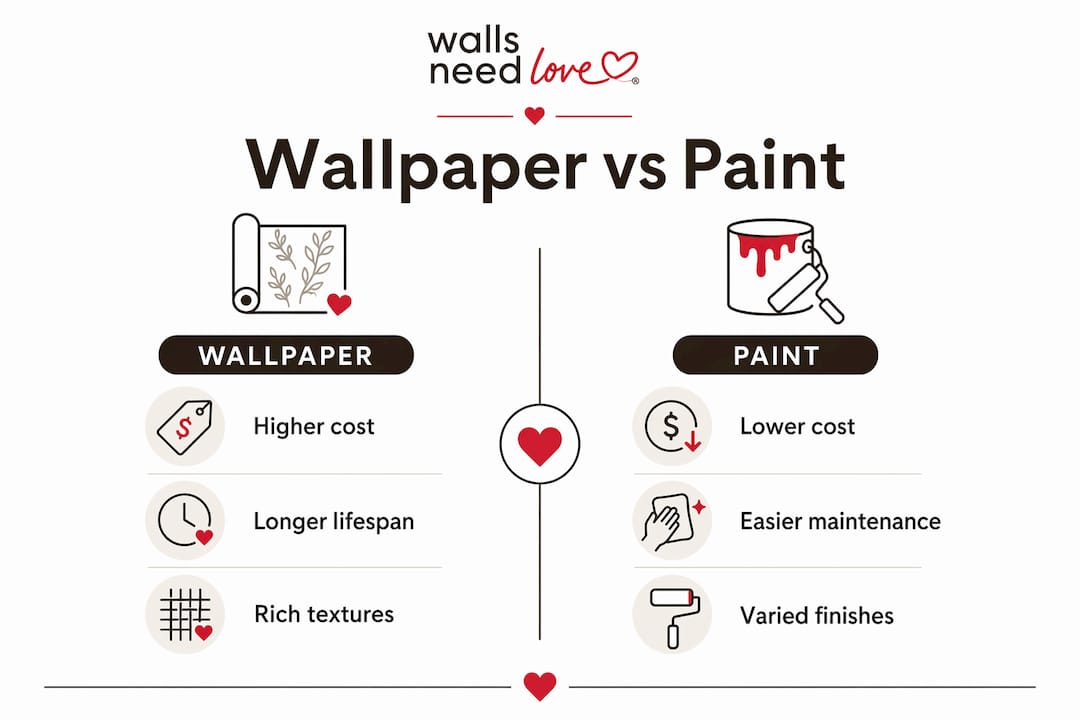
Wallpaper texture vs painted walls is a choice between two fundamentally different approaches to wall finishes, each with distinct cost, durability, and design trade-offs. Paint costs $1.50–$3.50 per square foot installed, while quality wallpaper runs $5–$15 per square foot. That price gap is real, but wallpaper delivers a lifespan of 15–20 years versus paint’s 5–10 years, which changes the long-term math considerably. The right choice depends on your room, your budget, and how much maintenance you want to handle.
What is the real cost difference between wallpaper texture and painted walls?
Paint is roughly 3–5 times cheaper to install than quality wallpaper. That gap is significant upfront, but the durability difference narrows the long-term cost considerably.
Painted finishes last 5–10 years on average before they need repainting. Wallpaper, when maintained properly, holds up for 15–20 years. That means a homeowner who repaints every 7 years spends on labor and materials twice in the time a wallpaper installation stays fresh.
Maintenance frequency also differs. Paint typically needs touch-ups every 3–5 years, especially in high-traffic areas. Wallpaper requires less frequent attention, though damaged panels may need full replacement rather than a quick spot fix.
| Category | Painted walls | Wallpaper |
|---|---|---|
| Installation cost per sq ft | $1.50–$3.50 | $5–$15 |
| Average lifespan | 5–10 years | 15–20 years |
| Touch-up frequency | Every 3–5 years | Less frequent |
| Repair ease | Easy spot touch-ups | Panel replacement needed |
Pro Tip: If you plan to stay in your home for more than 10 years, wallpaper’s longer lifespan often makes it the more cost-effective option when you factor in repainting labor.
What design options does wallpaper texture offer that paint cannot?
Wallpaper offers thousands of patterns and textures that paint simply cannot replicate. Metallic finishes, embossed geometric reliefs, grasscloth weaves, and photographic murals all fall within wallpaper’s design range. Paint, by contrast, delivers uniform color coverage with virtually unlimited color choices but very limited texture options.
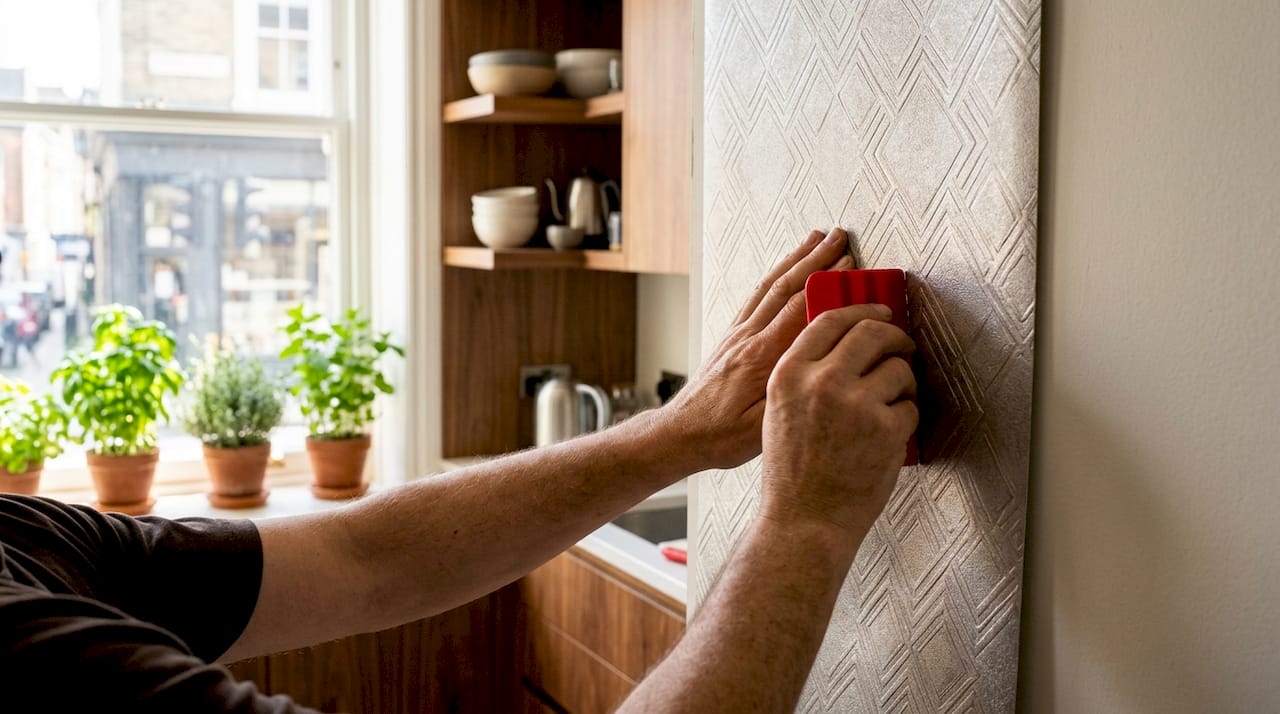
Textured paint finishes do exist. Techniques like Venetian plaster, skip trowel, and sand finish add tactile interest to walls. These are artisanal and can look striking, but their design vocabulary is narrow compared to what wallpaper achieves. A grasscloth or embossed wallpaper creates depth and shadow that no brush or roller can match.
For homeowners who want a focal wall in a dining room or bedroom, wallpaper delivers immediate visual weight. A scenic mural or geometric pattern turns a flat surface into a design statement. Paint on the same wall would require a skilled artist to achieve a comparable effect.
Popular wallpaper texture styles vs paint texture finishes
Wallpaper texture styles:
- Embossed and raised geometric patterns
- Grasscloth and natural fiber weaves
- Metallic and foil finishes
- Faux brick, stone, and wood grain
- Photographic and scenic murals
- Watercolor and hand-drawn art prints
Textured paint finishes:
- Venetian plaster (smooth, polished)
- Skip trowel (irregular, rustic)
- Sand finish (fine, gritty surface)
- Knockdown texture (subtle, layered)
- Popcorn or orange peel (ceiling-focused)
Pro Tip: Pair a textured wallpaper accent wall with flat-finish paint on the remaining three walls. This approach gives you the design impact of wallpaper without the full-room installation cost.
How does maintenance compare for wallpaper versus painted walls?
Paint is easier and cheaper to touch up than wallpaper. A small can of leftover paint and a brush fixes most scuffs and marks in minutes. Wallpaper damage is a different problem entirely.
Textured paint repair is particularly difficult because matching the original texture is nearly impossible. A patched area almost always looks different from the surrounding surface. This often forces homeowners to repaint the entire wall to hide the repair. Wallpaper has its own repair challenge: damaged sections typically require replacing a full panel rather than spot-fixing.
Vinyl and non-woven wallpapers resist scuffs and stains better than standard paint and can be wiped clean with a damp cloth. This makes them practical for busy households with children or pets. Standard emulsion paint marks more easily and absorbs stains rather than repelling them.
Humidity is another factor. Textured paint can trap moisture in its crevices, which creates conditions for mold growth over time. Vinyl wallpaper resists moisture more effectively and is easier to wipe down in damp environments.
Maintenance best practices for each surface
For painted walls:
- Keep a small amount of the original paint for touch-ups and store it in a sealed container.
- Clean marks with a damp sponge before they set, using mild soap on washable paint finishes.
- Repaint high-traffic areas every 3–5 years to maintain a fresh appearance.
- Use a semi-gloss or satin finish in kitchens and bathrooms for easier cleaning.
For wallpaper:
- Wipe vinyl and non-woven wallpapers with a damp cloth to remove surface marks.
- Avoid saturating seams with water, as this can loosen adhesive over time.
- Address peeling corners immediately with seam repair adhesive to prevent further lifting.
- Keep a spare roll from the original batch for panel replacement if a section is damaged.
Which wall finish works best by room and lifestyle?
Experts recommend paint for high-traffic and wet areas and wallpaper for accent walls and low-traffic rooms. This guidance holds up in practice. Kitchens, bathrooms, hallways, and utility rooms see the most wear and moisture, making paint the practical choice for those spaces.
Bedrooms, living rooms, and dining rooms are where wallpaper performs best. These rooms have lower traffic, controlled humidity, and benefit most from the visual depth that textured wallpaper designs provide. A wallpaper accent wall in an open-plan space defines zones and adds character without requiring a full-room installation.
Renters have a specific consideration. Traditional paste wallpaper is not practical for rental properties, but peel-and-stick wallpaper changes that equation entirely. Peel-and-stick options install without adhesive damage and remove cleanly, making them a viable choice for renters who want texture and pattern without risking their security deposit. For more detail on this, wallpaper on rental walls is worth reviewing before you commit.
Combining wallpaper and paint creates the best results for layered, designed interiors. Paint provides the neutral backdrop; wallpaper defines the focal zones.
Room-by-room recommendations
- Kitchen: Paint in semi-gloss or satin for easy cleaning and moisture resistance.
- Bathroom: Paint for full walls; consider a non-woven wallpaper accent if ventilation is good.
- Hallway: Paint for durability; vinyl wallpaper works if scuff resistance is a priority.
- Bedroom: Wallpaper excels here, especially on the headboard wall for visual depth.
- Living room: Wallpaper on one focal wall with paint on the remaining three.
- Dining room: Wallpaper handles well in this lower-traffic, lower-humidity space.
- Home office: Either works; wallpaper adds personality without maintenance concerns.
Key Takeaways
Wallpaper delivers longer lifespan and richer design options than paint, but paint wins on upfront cost and ease of repair, making the best choice room-specific rather than universal.
| Point | Details |
|---|---|
| Cost difference is significant | Paint costs $1.50–$3.50 per sq ft installed; wallpaper runs $5–$15 per sq ft. |
| Wallpaper lasts longer | Quality wallpaper lasts 15–20 years versus 5–10 years for painted finishes. |
| Design range favors wallpaper | Wallpaper offers metallics, embossed textures, and murals that paint cannot replicate. |
| Maintenance trade-offs differ | Paint is easier to spot-fix; vinyl wallpaper resists stains and scuffs better day-to-day. |
| Combine both for best results | Use paint for wet and high-traffic areas; wallpaper for bedrooms, dining rooms, and focal walls. |
What Wallsneedlove has learned from real interiors
Homeowners consistently underestimate what a single wallpapered wall does for a room. Paint is the default choice for most people, and that default leaves a lot of rooms feeling flat. A bedroom with three painted walls and one textured wallpaper panel behind the bed looks designed. The same room with four painted walls looks unfinished, regardless of the color.
The maintenance concern about wallpaper is real but often overstated. Most homeowners who choose quality vinyl or non-woven wallpaper find it easier to keep clean than painted walls, not harder. The fear comes from older paper-based wallpapers that absorbed moisture and peeled. Modern materials behave completely differently.
Budget shapes this decision more than aesthetics does. A homeowner with a tight budget who needs to cover every wall in a house should paint. A homeowner renovating one room and planning to stay for a decade should seriously consider wallpaper for at least one wall. The cost per year of use often favors wallpaper when you run the numbers honestly.
The most successful interiors Wallsneedlove sees use both. Paint handles the practical rooms and the neutral backdrop. Wallpaper handles the moments where a room needs to make an impression. That combination is not a compromise. It is the actual strategy professional designers use.
— Wallsneedlove
Wallsneedlove wallpaper for homeowners who want more than paint
Wallsneedlove carries a wide range of decorative wallpaper and murals designed for exactly the rooms where paint falls short. Every design is custom-printed and available in peel-and-stick or traditional paste, so the same pattern works for renters and homeowners alike. All products carry Greenguard Gold certification, which matters for bedrooms and spaces where air quality is a concern.

For homeowners who want tactile depth on a focal wall, options like the Monkeying Around removable wallpaper and the Java Mountain wall mural show the range of what wallpaper achieves where paint simply cannot. Orders are custom-made within 1–3 days, and the catalog covers geometric patterns, scenic murals, florals, and faux textures across hundreds of designs.
FAQ
Is wallpaper more expensive than paint overall?
Wallpaper costs more upfront at $5–$15 per square foot installed versus $1.50–$3.50 for paint, but its 15–20 year lifespan often makes it more cost-effective over time.
Which lasts longer: wallpaper or painted walls?
Quality wallpaper lasts 15–20 years with proper maintenance, while painted walls typically need repainting every 5–10 years.
Can renters use wallpaper without damaging walls?
Peel-and-stick wallpaper installs without adhesive damage and removes cleanly, making it a practical option for rental properties.
Is wallpaper harder to maintain than paint?
Vinyl and non-woven wallpapers resist stains and scuffs better than standard paint and can be wiped clean with a damp cloth, making day-to-day maintenance straightforward.
Where should you use wallpaper versus paint in a home?
Use paint in kitchens, bathrooms, and hallways for easy upkeep. Use wallpaper in bedrooms, living rooms, and dining rooms where design impact and lower traffic make it the stronger choice.


Leave a comment