

Wallpaper Adhesive Types Explained for DIY Homeowners
Wallpaper adhesive is a specialized bonding compound formulated to match specific wallpaper materials, weights, and room conditions. Getting wallpaper adhesive types explained correctly before you start a project saves you from the most common DIY failures: bubbling, lifting seams, and mold behind vinyl. The main categories are light-duty cellulose paste, medium-duty fungicidal paste, and heavy-duty or vinyl-specific adhesive. Each type uses a different chemical base, from cellulose and starch to synthetic resins, and each is designed for a specific wallpaper weight and environment. Choosing the wrong one is the single most preventable cause of installation failure.
What are the main types of wallpaper adhesives?
Wallpaper pastes fall into three core classes, and each class exists for a reason. The UK paste classification system defines Class A, Class B, and Class C to match adhesive strength and moisture resistance to wallpaper weight and room conditions. Understanding these classes gives you a clear framework before you buy anything.
- Class A (light-duty cellulose paste): Standard cellulose paste without any biocide additive. This is the right choice for lightweight paper-based wallpapers in dry rooms. It mixes easily with water and has a smooth, workable consistency.
- Class B (fungicidal or medium-duty paste): A cellulose-based paste with added biocide. The biocide prevents mold growth behind vinyl wallpaper in kitchens and bathrooms. This is the go-to paste for washable or vinyl-coated wallpapers in moist rooms.
- Class C (heavy-duty paste): Higher solids content for heavy, embossed, or thick non-woven wallpapers. The extra solids provide stronger initial tack and better durability under gravity and humidity cycling.
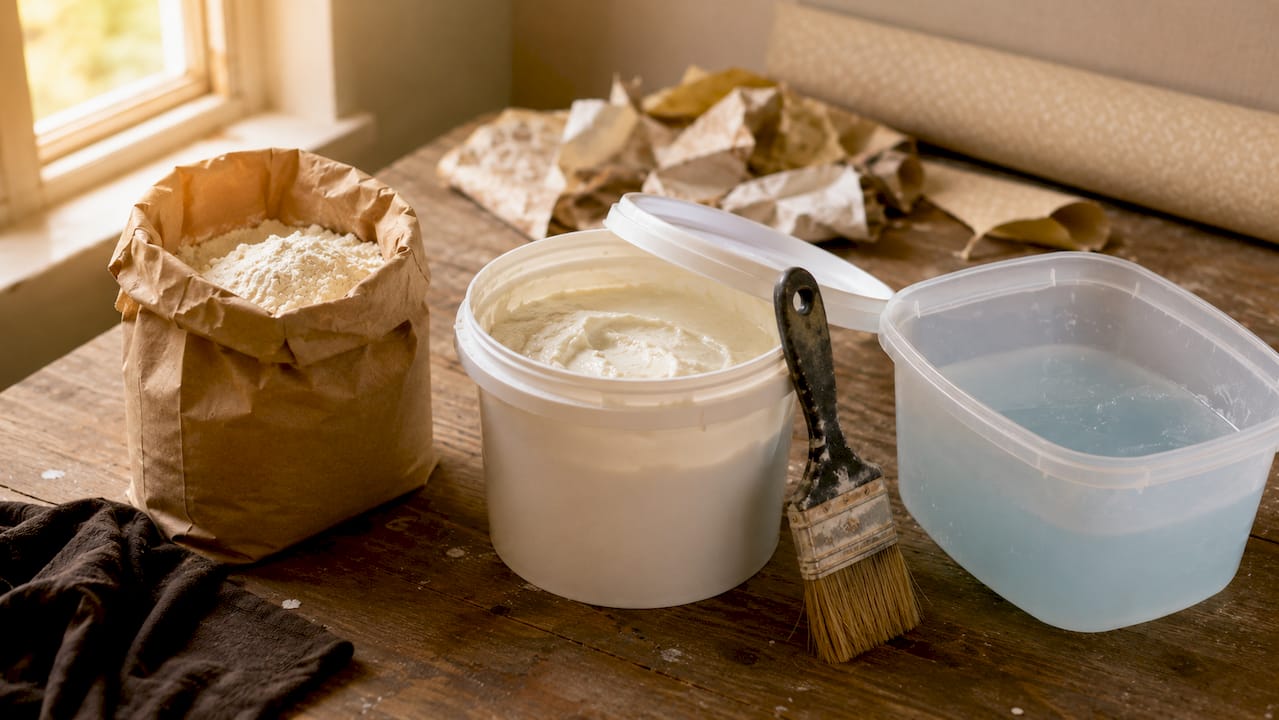
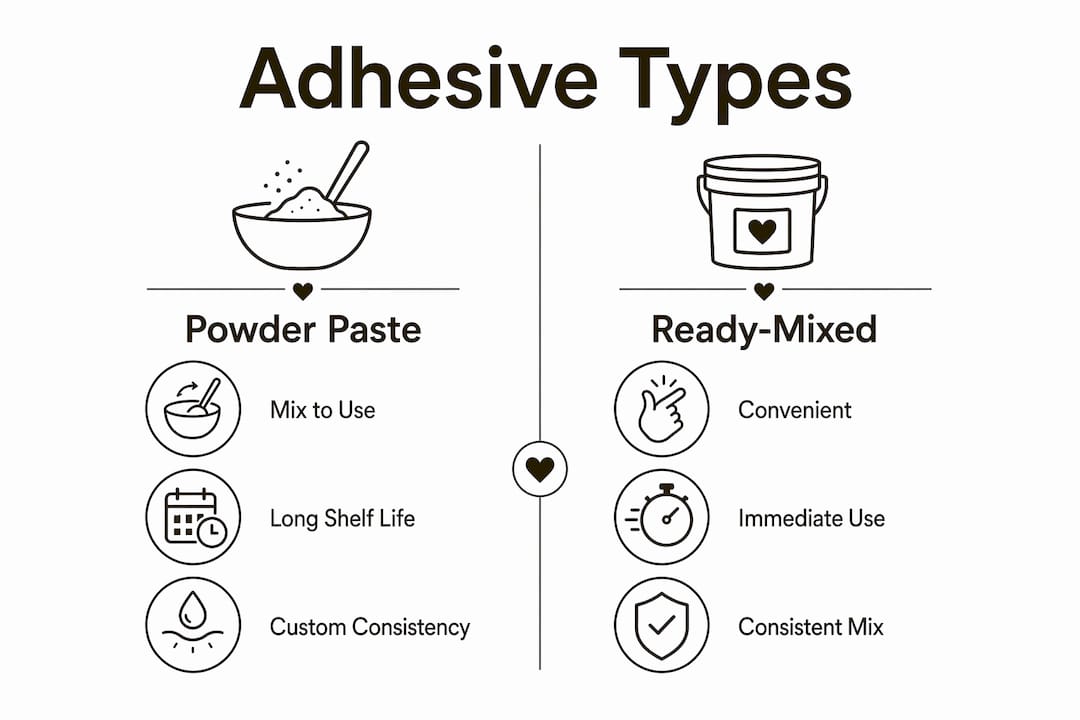
Beyond these three classes, you will encounter two format options: powder paste and ready-mixed tub paste. Powder paste is mixed with water before use and covers a wide range of wallpaper types depending on dilution. Ready-mixed tub pastes provide stronger initial tack and are preferred for true vinyl wallpapers where immediate grab is needed. They are opaque and factory-mixed, which removes the guesswork of dilution ratios.
A fourth category worth knowing is indicator adhesive. This paste contains a temporary pigment that shows up as a color (often pink or blue) during application and disappears as the paste dries. The visual cue confirms full coverage before you hang the panel.
Pro Tip: Always check the wallpaper manufacturer’s label for a recommended paste class before purchasing. The label will specify Class A, B, or C, or name a compatible product directly.
How to choose the right wallpaper adhesive
Choosing the correct paste comes down to three factors: wallpaper material, wallpaper weight, and the room’s moisture level. Adhesive type is not interchangeable across wallpapers. Following the wallpaper manufacturer’s specified adhesive and method is the most critical step in any installation.
Paste-the-wall vs. paste-the-paper
The installation method changes which adhesive you need. Paste-the-paper is the traditional method: you apply paste directly to the back of each strip, let it soak (called booking), then hang it. Paste-the-wall is the modern method used with non-woven wallpapers, where you apply paste to the wall surface instead. Non-woven wallpapers do not require soaking or booking. Using a heavy-duty paste for a paste-the-wall non-woven is unnecessary and can make the paper too slippery to position accurately.
Matching adhesive to wallpaper type
| Wallpaper type | Recommended adhesive | Notes |
|---|---|---|
| Standard paper-based | Class A cellulose | Dry rooms only; mix to medium consistency |
| Non-woven (light) | Class A all-purpose | Paste the wall; no soaking needed |
| Non-woven (thick/heavy) | Class C heavy-duty | Paste the wall; higher solids for weight |
| Vinyl or vinyl-coated | Class B fungicidal | Biocide required; ready-mixed tub preferred |
| Embossed or textured | Class C heavy-duty | Higher solids prevent seam lifting |
| Grasscloth or natural fiber | Specialty paste | Check manufacturer; avoid over-wetting |
| Murals (paper-backed) | Class B or C | Depends on substrate weight |
| Peel-and-stick | No paste required | Pressure-sensitive adhesive is pre-applied |
- Identify the wallpaper substrate. Check the product label or manufacturer’s website for material type: paper, non-woven, vinyl, or natural fiber.
- Check the room’s moisture level. Kitchens and bathrooms require at least a Class B fungicidal paste. Dry living rooms and bedrooms can use Class A.
- Confirm the installation method. Paste-the-wall products need a lighter, faster-drying paste. Paste-the-paper products need a paste that stays workable during booking.
- Read the manufacturer’s instructions. The wallpaper brand will specify a paste class or compatible product. This overrides any general recommendation.
- Buy slightly more paste than you think you need. Running out mid-wall forces you to remix or open a new tub, which can change consistency and cause visible seam differences.
Room conditions matter beyond just moisture. A cold garage or unheated room slows drying time significantly. A hot, dry room speeds it up, which can cause edges to dry and curl before you finish positioning a panel. Adjust your working speed and paste consistency to match the environment.
What problems does the wrong adhesive cause?
Using the wrong paste is the leading cause of wallpaper failure after installation. Application failures occur most often at seams and edges where adhesive solids and tackiness do not match wallpaper weight and environmental conditions. Recognizing these failure modes helps you avoid them.
- Bubbling: Air pockets form when paste is applied unevenly or when a lightweight paste cannot hold a heavy panel flat against the wall. The panel shifts before the paste sets.
- Lifting seams: Using lighter paste for heavy vinyl leads to seam failure within days or weeks. The edges pull away from the wall as the paste dries and shrinks.
- Curling edges: This happens when paste dries too fast at the edges, often in warm rooms or when the paste is too thin for the wallpaper weight.
- Mold behind vinyl: Vinyl wallpaper is non-breathable. Moisture trapped behind it with a non-fungicidal paste creates ideal conditions for mold growth. Class B paste with biocide additives prevents this.
- Staining through the face: Some natural fiber wallpapers like grasscloth absorb paste through the face if over-wetted. Using the wrong paste or too much of it causes permanent staining.
Most DIY failures stem from using incorrect adhesive types based on what is available at the store rather than what the manufacturer specifies. Following instructions precisely is the most effective way to avoid bubbles and lifting.
Pro Tip: Do a test patch on a small, hidden section of wall before committing to a full installation. Apply the paste, hang one strip, and check the seams and surface after 24 hours. This catches compatibility issues before they affect an entire room.
Advanced adhesive technologies and specialty products
Adhesive technology has moved beyond basic powder paste. Several specialty formulations address specific wallpaper scenarios that standard Class A, B, or C pastes do not cover well.
- Indicator adhesives: These use a temporary color-change pigment that disappears as the paste dries. The color confirms full coverage during application, which reduces missed spots on large panels and murals. This technology improves accuracy on heavy wallpaper installations where uneven coverage causes bubbling.
- Vinyl-on-vinyl seam adhesive: Standard paste does not bond vinyl to vinyl reliably. A dedicated vinyl-on-vinyl seam adhesive applies directly to overlapping seam edges and creates a strong bond between two vinyl surfaces.
- Border adhesive: Wallpaper borders require a thicker, faster-setting paste than full-panel wallpaper. Border adhesive has higher tack to hold narrow strips in place without sliding.
- Mold-resistant paste for bathrooms: Beyond Class B fungicidal paste, some manufacturers offer pH-balanced adhesives designed for high-humidity rooms. These maintain bond strength through repeated cycles of steam and condensation.
- Specialty paste for grasscloth and natural fibers: These wallpapers require a paste with controlled moisture content. Too much water causes the natural fibers to swell, warp, or stain. Specialty pastes for grasscloth are formulated to minimize water transfer while maintaining adhesion.
- Peel-and-stick adhesive backing: Removable wallpapers use a pressure-sensitive adhesive pre-applied to the backing. No separate paste is needed. This format is ideal for renters or anyone who wants a damage-free installation.
Visual-control indicator paste adhesives give installers confidence in coverage by changing color and drying transparent. For large-format murals or wall mural projects with multiple panels, this technology reduces the risk of missed coverage on any single panel.
Key Takeaways
Matching adhesive class to wallpaper weight and room moisture is the single most important decision in any wallpaper installation project.
| Point | Details |
|---|---|
| Three core paste classes | Class A for light paper, Class B for vinyl in moist rooms, Class C for heavy or embossed wallpapers. |
| Installation method matters | Paste-the-wall non-wovens need lighter paste; paste-the-paper wallpapers need a paste that stays workable during soaking. |
| Fungicidal paste is non-negotiable in wet rooms | Class B paste with biocide prevents mold growth behind vinyl in kitchens and bathrooms. |
| Wrong paste causes seam failure | Lighter paste under heavy vinyl leads to lifting and curling at seams within days of installation. |
| Indicator adhesives reduce errors | Color-change paste confirms full coverage on large panels and murals before hanging. |
Wallsneedlove’s take on adhesive selection
The most common mistake I see is homeowners buying the first paste they find on the shelf without checking the wallpaper’s label. Adhesive selection takes about two minutes of reading. Skipping that step costs hours of rework.
Climate and wall condition matter more than most guides acknowledge. A freshly plastered wall that has not fully cured will pull moisture from the paste before it bonds properly. A cold exterior wall in winter slows drying so much that panels can slide out of position. These are not edge cases. They happen regularly in standard homes.
My recommendation is always to buy a named, quality paste brand rather than a generic store-brand option. Consistent solids content and reliable biocide levels make a real difference in results. Generic pastes often vary in formulation between batches, which creates inconsistent drying times and bond strength.
Testing before committing is not optional for anything heavier than standard paper wallpaper. Hang one strip, wait 24 hours, and check every seam and edge. That single test strip tells you everything you need to know about compatibility before you cover an entire wall.
— Wallsneedlove
Wallsneedlove wallpaper collections and adhesive compatibility
Wallsneedlove offers custom-printed wallpaper and wall murals in both peel-and-stick and traditional paste formats, so adhesive compatibility is built into the product choice from the start.
Peel-and-stick options like the Monkeying Around removable wallpaper require no paste at all. The pressure-sensitive backing handles adhesion, which makes them a practical choice for renters and anyone who wants a clean removal later. For traditional paste installations, Wallsneedlove’s Java Mountain wall mural and other paper-backed murals are designed to work with standard Class B or Class C paste depending on panel weight. Every product page includes installation guidance to confirm the correct paste class and method for that specific wallpaper.
FAQ
What is the strongest wallpaper adhesive?
Class C heavy-duty paste has the highest solids content and provides the strongest bond. Ready-mixed tub paste is preferred for true vinyl wallpapers where immediate, high-tack adhesion is needed.
Can you use the same paste for all wallpaper types?
No. Adhesive type is not interchangeable across wallpapers. Light cellulose paste fails under heavy vinyl, and non-fungicidal paste promotes mold growth behind vinyl in wet rooms.
What adhesive do peel-and-stick wallpapers use?
Peel-and-stick wallpapers use a pre-applied pressure-sensitive adhesive on the backing. No separate paste or glue is required for installation or removal.
Do I need a special paste for bathroom wallpaper?
Yes. Bathrooms require at least a Class B fungicidal paste with biocide additives to prevent mold growth behind the wallpaper in high-humidity conditions.
What is an indicator adhesive?
An indicator adhesive contains a temporary pigment that shows as a color during application and disappears as the paste dries. This confirms full adhesive coverage and reduces missed spots on large panels.


Leave a comment