

Wall Types Peel-and-Stick Wallpaper Works on Best
Peel-and-stick wallpaper, also called self-adhesive or removable wallpaper, adheres most reliably to smooth, matte or eggshell painted drywall that has cured for at least 30 days. The types of walls peel-and-stick works on come down to two factors: surface smoothness and paint finish. Textured, glossy, or freshly painted walls create adhesion problems that lead to peeling, bubbling, or wall damage on removal. Knowing which surfaces work before you buy saves time, money, and frustration.
1. Types of walls peel-and-stick works on: the top compatible surfaces
Smooth drywall with a matte or eggshell paint finish is the gold standard for peel-and-stick wallpaper. The adhesive bonds cleanly to a flat, slightly porous surface without gripping too hard or too loosely. Paint finish matters as much as smoothness. Matte and eggshell finishes give the adhesive enough texture to grip, while still releasing cleanly when it is time to remove.
The best wall types for peel-and-stick include:
- Smooth drywall with matte paint: The most reliable surface. Paint must be fully cured for 30 days minimum.
- Smooth drywall with eggshell paint: Nearly as reliable as matte. Slightly more sheen but still porous enough for a strong bond.
- Primed, unpainted drywall: Works well if the primer is fully dry and the surface is smooth.
- Smooth plaster walls: Compatible when the plaster is free of cracks, bumps, or imperfections.
- Smooth painted wood panels: Suitable when the paint finish is matte or eggshell and the surface is flat.
- Laminate cabinet doors: A popular surface for peel-and-stick contact paper and thinner wallpaper products.
- Smooth painted concrete: Works in dry environments when the surface is sealed and completely flat.
Pro Tip: Run your hand across the wall before purchasing. If you can feel any texture at all, treat it as a textured wall and test a sample first.
Premium peel-and-stick brands last 5 or more years on these ideal surfaces. Budget options tend to fail within 12–18 months even on perfect walls. Surface compatibility and product quality work together.
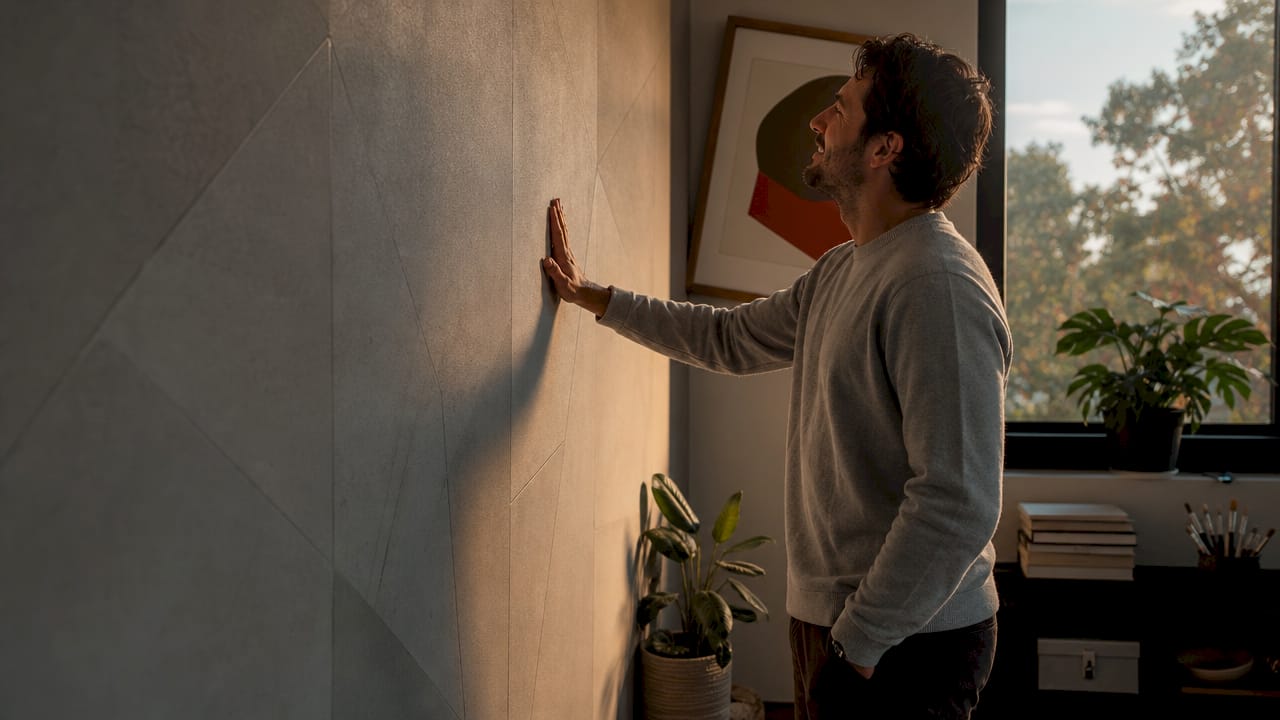
2. Can peel-and-stick adhere to textured walls?
Textured walls are the most common source of peel-and-stick failure. The adhesive cannot make full contact with a bumpy surface, which creates air pockets and weak spots that grow over time. Only 33% of tested brands stayed attached on textured walls after 5 months of real-world testing. That means 2 out of 3 products will fail on texture, regardless of initial appearance.
Common textured surfaces that cause problems include:
- Orange peel texture: The most widespread wall texture in American homes. Creates consistent adhesion failure.
- Knockdown texture: Irregular high points prevent full adhesive contact.
- Popcorn ceilings and walls: Extremely porous and fragile. Removal almost always damages the texture.
- Swirl and stomp textures: Decorative patterns that create uneven bonding surfaces.
- Skip trowel texture: Moderate to heavy texture that blocks consistent adhesion.
A 5-month field test found that 75% of wallpapers that held initially failed later due to temperature cycling and gravity pulling at the weak adhesion points. Initial success is not a reliable indicator of long-term durability on texture. Thicker, heavier wallpaper products tend to perform better on light orange peel texture than thin vinyl options, because the material bridges minor surface variation. Still, testing a sample for at least 48–72 hours before full installation is the only reliable way to assess compatibility on any textured surface.
3. Walls peel-and-stick does not work well on
Some wall types and conditions consistently cause adhesion failure. Knowing these upfront prevents costly mistakes.
- Glossy and semi-gloss paint finishes. The smooth, non-porous surface prevents the adhesive from gripping. Wallpaper slides or peels within days.
- Freshly painted walls under 30 days old. Paint applied less than 30 days ago bonds with the wallpaper adhesive during curing. Removal pulls the paint off the wall.
- High-humidity rooms without proper ventilation. Bathrooms and kitchens typically cause adhesive failure within 6–12 months. Moisture weakens the bond from behind.
- Bare, unprimed drywall. The paper facing absorbs adhesive unevenly and tears during removal.
- Brick and concrete without sealant. Porous, rough surfaces prevent consistent contact and allow moisture migration.
- Wood paneling with deep grooves. The grooves create gaps in adhesion and visible lines through the wallpaper.
- Extreme temperatures during installation. Installing below 50°F or above 90°F harms adhesive performance and causes failure.
Pro Tip: Check your paint finish with a light held at an angle to the wall. If the surface reflects light clearly, it is likely semi-gloss or gloss. Switch to a matte or eggshell finish before installing.
The renter-friendly label on peel-and-stick products does not mean damage-free on every surface. Fresh paint and glossy finishes are the two most common causes of wall damage during removal.
4. How to prepare walls for peel-and-stick wallpaper
Wall preparation determines whether peel-and-stick wallpaper lasts 5 years or 5 weeks. The surface must be clean, smooth, dry, and fully cured before installation begins.
- Confirm paint cure time. Wait a minimum of 30 days after painting before applying any peel-and-stick product. Newly painted walls feel dry to the touch within hours but continue curing chemically for weeks.
- Clean the wall surface. Wipe with a damp cloth and mild soap, then let it dry completely. Dust, grease, and residue all reduce adhesion.
- Fill any holes or imperfections. Spackle small holes and sand smooth. Even minor bumps create weak spots in the adhesive bond.
- Test a sample patch first. Apply a small piece and leave it for at least 48–72 hours in the actual room. Check both adhesion strength and removal impact before committing to full installation.
- Control room temperature. Install in a room between 50°F and 90°F. Avoid garages, sunrooms, or unheated spaces in winter.
- Use low heat for removal. A hair dryer on low heat softens the adhesive during removal and significantly reduces the risk of paint damage.
Pro Tip: For walls in the 25–29 day cure range, apply a thin coat of clear matte primer and let it dry fully. This creates a stable bonding layer that protects the paint underneath.
Here is a quick reference for surface readiness:
| Surface condition | Ready to install? |
|---|---|
| Matte paint, 30+ days cured | Yes |
| Eggshell paint, 30+ days cured | Yes |
| Semi-gloss or gloss paint | No |
| Fresh paint under 30 days | No |
| Primed smooth drywall | Yes |
| Textured wall, any finish | Test first |
5. Situational considerations for challenging wall types
Some rooms and wall conditions fall outside the ideal range but still have workable options. The key is matching the product to the actual conditions rather than assuming standard peel-and-stick will perform everywhere.
- Light orange peel texture: Use thicker, premium peel-and-stick products specifically designed for textured surfaces. Apply firm pressure across the entire surface during installation. Accept that longevity will be shorter than on smooth walls.
- Bathrooms and kitchens: Standard peel-and-stick products are not designed for sustained humidity. If you want to use wallpaper in these rooms, look for products labeled waterproof or moisture-resistant. Wallsneedlove offers guidance on bathroom-specific wallpaper options that account for these conditions.
- Rental walls with unknown paint history: Test a sample in an inconspicuous spot before full installation. Unknown paint age and finish type make prediction unreliable. Read up on wallpaper for rental walls before committing.
- Smooth cabinetry as an alternative surface: When walls are unsuitable, smooth laminate cabinet doors and furniture panels accept peel-and-stick products well. This is a practical workaround for renters with textured walls.
- Temporary wall panels: Smooth plywood or MDF panels painted with matte paint and mounted to the wall create an ideal substrate. The wallpaper goes on the panel, not the original wall. This approach works well for accent walls in rentals.
- Evaluating before purchase: Check the paint finish and texture of every wall before ordering. Returning wallpaper after cutting is rarely possible, so surface assessment before purchase protects the investment. Pairing your wall decor with complementary home elements, like coordinating rugs and textures, also helps create a finished look once the wallpaper is up.
Key takeaways
Smooth, matte or eggshell painted drywall cured for at least 30 days is the only surface that consistently delivers reliable, long-term peel-and-stick adhesion without wall damage.
| Point | Details |
|---|---|
| Ideal surface | Smooth drywall with matte or eggshell paint, cured 30+ days before installation. |
| Textured wall risk | Only 33% of brands hold on textured walls after 5 months; always test a sample first. |
| Humidity shortens lifespan | Bathrooms and kitchens cause adhesive failure within 6–12 months without proper products. |
| Temperature matters | Install only between 50°F and 90°F to protect adhesive performance. |
| Removal technique | Use a low-heat hair dryer during removal to protect the wall surface underneath. |
What Wallsneedlove has learned about wall compatibility
The most common mistake seen with peel-and-stick wallpaper is impatience with paint curing. Homeowners paint a room, wait a week, and assume the wall is ready. It is not. The 30-day rule is not a suggestion. It is the point at which the paint film has hardened enough to release cleanly from an adhesive. Skipping it is the single fastest way to damage a wall and void any goodwill from a “renter-friendly” product.
Textured walls are the second biggest issue. Testing shows that even products that perform well initially can fail months later as temperature changes and gravity work against a partial adhesive bond. The 33% long-term success rate on textured surfaces is a real number from real testing, and it should reset expectations. If the wall has any texture, treat the project as a test, not a guarantee.
The products that hold up over time on compatible surfaces are premium ones. Wallsneedlove’s Greenguard Gold certified wallpapers are built for durability on properly prepared surfaces. The difference between a 5-year installation and an 18-month one often comes down to product quality and surface preparation, not luck.
— Wallsneedlove
Wallsneedlove peel-and-stick wallpaper for smooth, ready walls
Once the wall is confirmed smooth, cured, and paint-ready, the next step is choosing a design that fits the space.
Wallsneedlove offers a wide range of removable wallpaper and wall murals printed to order, typically ready within 1–3 days. Options range from bold scenic murals like the Java Mountain wall mural to playful patterns like Monkeying Around, all available in peel-and-stick format. Every product is Greenguard Gold certified and designed for clean removal from properly prepared surfaces. For homeowners and renters who have done the prep work, Wallsneedlove’s full wallpaper collection offers a design for every room and style.
FAQ
What wall surface is best for peel-and-stick wallpaper?
Smooth drywall with matte or eggshell paint, cured for at least 30 days, is the best surface. It provides reliable adhesion and allows clean removal without wall damage.
Can peel-and-stick wallpaper go on textured walls?
It can, but long-term success is limited. Only 33% of tested brands held on textured walls after 5 months, so always test a sample for 48–72 hours before full installation.
How long should paint cure before applying peel-and-stick wallpaper?
Paint must cure for a minimum of 30 days. Applying peel-and-stick to fresher paint risks lifting the paint off the wall during removal.
Does peel-and-stick wallpaper work in bathrooms?
Standard products typically fail in bathrooms within 6–12 months due to humidity. Use moisture-resistant or waterproof-labeled products and check Wallsneedlove’s bathroom wallpaper guide for compatible options.
What temperature is needed for peel-and-stick installation?
Install between 50°F and 90°F. Temperatures outside this range compromise adhesive performance and cause premature failure.


Leave a comment