

1.5" Polymer Seam Roller: DIY and Pro Wallpaper Pick, Double Cut Tips
For most DIY consumers and professional installers, a 1.5" polymer side-arm roller with steel ball bearings handles the widest range of jobs. Choose instead a soft foam head like the Coral Easy Seam for textured or delicate wallcoverings. KLASS, Zinsser, and Advance Products models are all available through Amazon, Home Depot, and Sherwin-Williams.
TL;DR:
- The KLASS polymer seam roller with steel ball bearings provides smooth rotation, reducing seam damage during intensive or professional wallpaper installation.
- Soft foam rollers like Coral Easy Seam are ideal for textured or delicate wallcoverings, preventing flattening of patterns or damaging raised surfaces.
- Selecting a roller requires matching the head material and width to the wallcovering type, with heavy-duty options suited for wide seams and narrow rollers for corners.
- Proper technique, including gentle, even pressure and correct tool switching, is crucial to achieving seamless results and avoiding puckering or adhesive oozing.
- Regular cleaning, correct storage, and replacing worn heads extend a roller’s lifespan and maintain consistent pressure application.
Table of Contents
- Best Seam Rollers Wallpaper Buyers Should Compare
- How Do You Choose the Right Seam Roller?
- How Do You Use a Seam Roller Correctly?
- Cleaning, Storage, and Maintaining Your Seam Roller
- Where to Buy a Seam Roller and What to Expect to Pay
- Installation Pros’ Corner: Tips From Wallsneedlove
- When Do Professionals Still Prefer Premium Rollers?
- An Alternative: Wallpaper Built for Clean Seams
- Sources
Best Seam Rollers Wallpaper Buyers Should Compare
Several tools cover a wide range of seam-sealing scenarios you’ll run into, whether you’re finishing a single accent wall or running seams across a commercial lobby. Each one solves a different problem, and knowing which problem you have matters more than brand loyalty.
The KLASS polymer seam roller uses a non-stick polymer head mounted on steel ball bearings, which keeps it spinning smoothly instead of dragging and skipping across a fresh seam. That smooth rotation is what professional-grade rollers are built around: rollers without bearings tend to drag or lock up, which can tear or crease delicate paper. It’s a strong pick for installers doing back-to-back jobs where a sticky roller wastes time and risks damage.
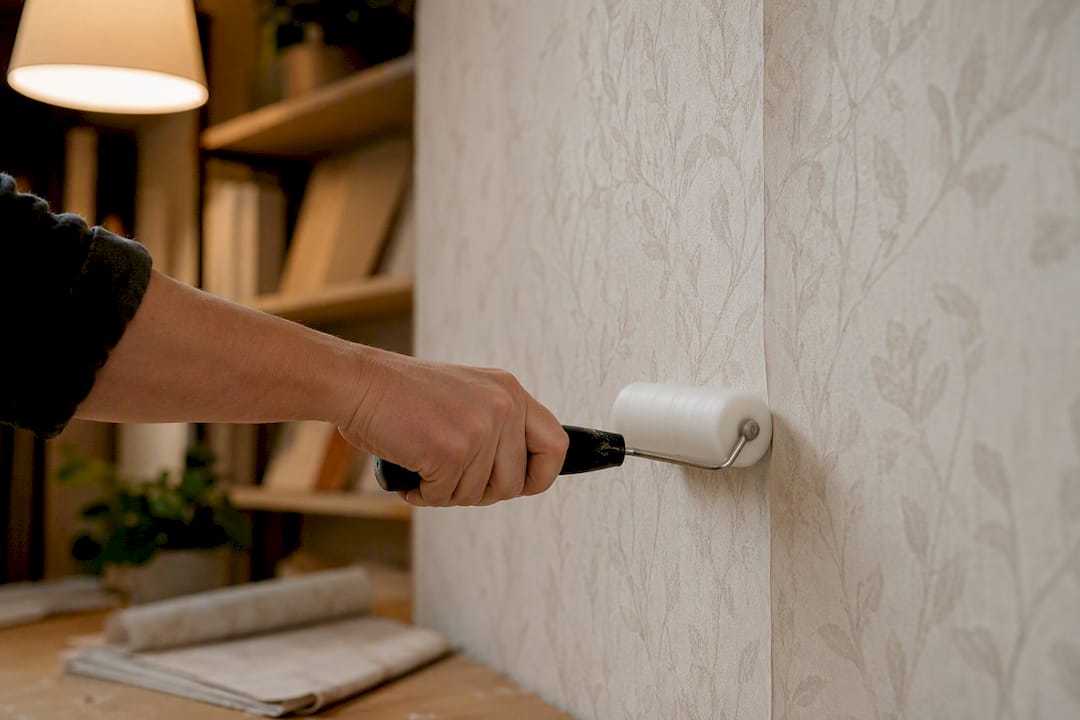
The Zinsser 1" seam roller (Rust-Oleum) is the compact, budget option. It’s sold in single units and case packs of eight, which makes it a natural fit for trade crews stocking up, as well as homeowners tackling a small room who don’t want to spend much. Its narrow 1-inch width gets into tight seams and corners that wider rollers can’t reach cleanly.
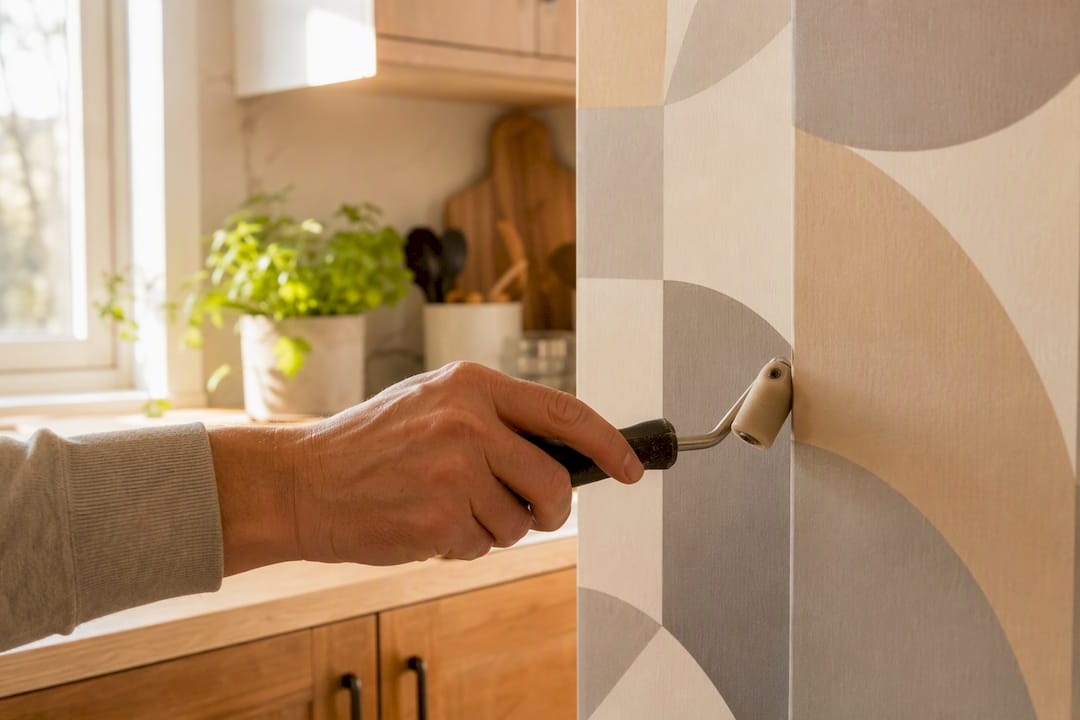
The Advance 2" flat seam roller trades reach for stability. The heavy-duty flat plastic head spreads pressure evenly across broad seams and long runs, which is exactly what commercial installers need when they’re sealing yards of seam in a single pass rather than working corner by corner.
The Coral Easy Seam soft foam roller is built for wallcoverings that punish stiff rollers: grasscloth, textiles, and anything with raised texture. Its foam head accepts extension poles for high walls, and the softness prevents the seam from flattening the surrounding pattern.
| Roller | Material | Width | Bearing type | Best for | Typical price |
|---|---|---|---|---|---|
| KLASS polymer seam roller | Non-stick polymer | 1.5" | Steel ball bearings | Pros wanting durability and clean release | $10–$25 |
| Zinsser 1" seam roller (Rust-Oleum) | Plastic | 1" | Plain axle | Tight seams, corners, bulk buying | $5–$15 (case packs cheaper per unit) |
| Advance 2" flat seam roller | Heavy-duty plastic | 2" | Plain axle | Commercial jobs, wide seams | $15–$40 |
| Coral Easy Seam soft foam roller | Soft foam | Standard | Plain axle | Textured and delicate wallcoverings | $10 to $25 |
If you’re outfitting a whole crew or stocking a shop, buying multi-packs through Amazon or Home Depot can reduce the per-unit cost compared to single retail units. If you’re doing one room, a single roller matched to your paper type is the smarter buy. Either way, match the head material to the wallcovering before you worry about price.
How Do You Choose the Right Seam Roller?
The wrong roller can undo good seam work fast. A hard polymer head on a delicate grasscloth panel can crush the texture; a soft foam roller on a heavy vinyl commercial covering may not apply enough force to set the seam. Matching roller softness to wallcovering type is the first decision, not an afterthought.
Here’s the practical breakdown for picking a roller:
- Match material to finish. Soft foam or urethane for textured, delicate, or embossed papers; polymer for standard pasteable and vinyl wallpapers; harder heads for heavy-duty commercial coverings.
- Match width to seam type. A 1-inch roller works corners and tight pattern repeats; 1.5 inches is the general-purpose middle ground; 2 inches suits wide, straight commercial seams.
- Choose ball bearings when you can. They reduce drag and give you consistent pressure roll after roll, which matters more the more seams you’re doing in a day.
- Pick side-arm designs for corners and trim. A side-arm mount reaches into corners and along molding where a center-mounted flat roller physically can’t fit.
- Check the handle and head replaceability. A roller with a swappable head outlasts several full replacements, and a comfortable grip matters if you’re rolling seams for hours.
Pro Tip: If you’re not sure which head softness to buy, get one soft and one hard roller instead of guessing. Technicians working long runs often carry both and switch between them section by section, which avoids committing to the wrong head halfway through a wall.
How Do You Use a Seam Roller Correctly?
Technique matters more than the tool itself. Even the best seam roller for wallpaper will bruise a seam if you press too hard or roll it wrong.
- Prep the seam first. Align the two panels, smooth out any trapped air or bubbles, and confirm the adhesive still has workable tack before you roll.
- Apply light, even pressure. Gentle, consistent pressure along the seam sets the paper in place without squeezing adhesive out from underneath or marring delicate finishes.
- Roll in the direction that flattens, not stretches. Work down the seam line rather than across it, so you’re pressing the edges together instead of pulling the paper out of shape.
- Limit your passes. One or two rolls per section is usually enough. Excessive force is the most common installer mistake; the goal is setting the seam, not forcing adhesive through it.
- Switch tools for the geometry. Use a side-arm roller for corners and trim, then a flat or wider roller for the open seam runs in the middle of the wall.
- Clean as you go. Wipe adhesive off the roller head between sections so you’re not dragging dried paste across the next seam.
- Fix oozing adhesive carefully. Blot excess with a damp cloth, let the area dry slightly, then re-roll with lighter pressure to reseat the seam.
A seam that looks perfect wet can still shine or pucker once it dries if you over-rolled it. Setting the seam once, correctly, beats going back over it three times hoping it improves.
Cleaning, Storage, and Maintaining Your Seam Roller
A roller that’s cared for properly will outlast several cheap replacements.
- Clean foam heads with warm water and a mild detergent; skip solvents, which break down foam.
- Wipe polymer and plastic heads clean with a damp cloth right after use, before adhesive dries.
- Scrape off dried adhesive gently, or use a manufacturer-recommended cleaner rather than anything abrasive.
- Check the bearings periodically; if the roller starts sticking or wobbling, it’s time to replace it.
- Swap out foam heads once they feel compressed or lose their spring, since a flattened head can’t apply even pressure anymore.
- Store rollers in a toolbox or wrapped loosely so the head doesn’t sit flattened against a hard surface between jobs.
Where to Buy a Seam Roller and What to Expect to Pay
You’ll find every model mentioned here through a handful of reliable channels. Manufacturer product pages, along with Amazon, Home Depot, and Sherwin-Williams listings, are the best places to confirm exact specs, current pricing, and replacement parts.
- Basic consumer rollers run about $5 to $15 for a single unit, typically plastic with no bearings.
- Branded polymer rollers with ball bearings, like the KLASS model, run $10 to $25.
- Heavy-duty flat 2-inch rollers or professional kits, like the Advance line, run $15 to $40.
- Case packs, such as the Zinsser 1-inch roller sold in packs of eight, bring the per-unit cost down noticeably for trade buyers stocking a crew.
Buying directly from a brand or major retailer page gives you accurate specs and a path to replacement heads later. Marketplace bundles can be cheaper upfront, but they don’t always specify bearing type or head material clearly, so check the listing details before you buy.
Installation Pros’ Corner: Tips From Wallsneedlove
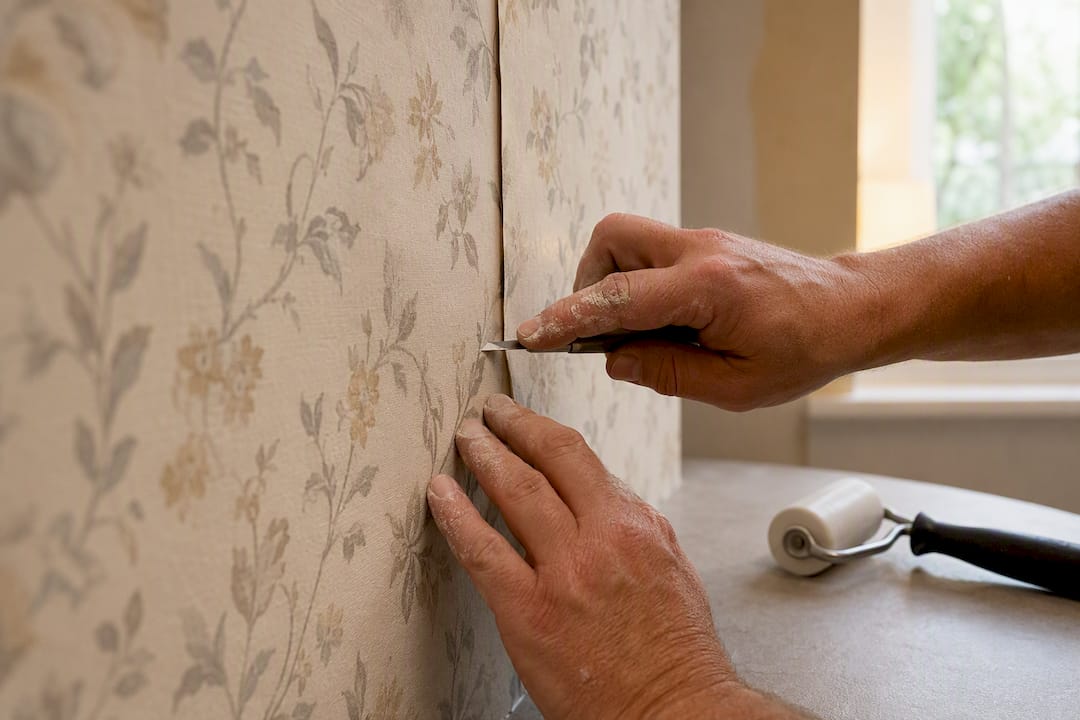
Wallsneedlove prints custom peel-and-stick and paste wallpaper certified Greenguard Gold, and its installation guides lean heavily on the overlap, or double-cut, method for seam accuracy. That technique involves briefly overlapping two panels, cutting through both layers at once, then removing the excess so the seam sits flush. Combine it with a light-pressure seam roller pass, and you get a seam that disappears instead of one that shows a hairline ridge. Read the full technique in the double-cut method guide.
When Do Professionals Still Prefer Premium Rollers?
Durability and bearings earn their cost when you’re rolling seams job after job. A dragging roller doesn’t just slow you down, it risks tearing paper on a client’s wall. For a single DIY room, a basic budget roller is perfectly fine, and regular cleaning will get more life out of either type than the price tag suggests.
— WallsNeedLove
An Alternative: Wallpaper Built for Clean Seams
A great seam roller only gets you so far if the wallpaper itself fights you at every joint. Wallsneedlove prints custom peel-and-stick and paste wallpaper designed with precise pattern matching, so seams line up cleanly instead of forcing you to fudge a repeat.

Browse patterns like the playful Monkeying Around removable wallpaper or the bold Java Mountain wall mural to see how pattern design affects seam visibility before you buy. If you’re pairing new wallpaper with existing wall art or furniture, this guide to planning wall decor is worth a look too. For large murals, tricky corners, or a room where a mistake is costly, hiring a professional installer is usually worth it. For a straightforward accent wall with a good seam roller in hand, DIY works fine. Check pattern availability and order samples at the Wallsneedlove product catalog before you start your next project.
Sources
- How to hide wallpaper seams — Roman Decorating Products
- Urethane wallpaper seam roller — Roman Decorating Products
- Flat Seam Roller - Sherwin‑Williams
- ROBERTS 2-in. Vinyl Seam Roller — The Home Depot product page


Leave a comment